
EverSoGrapeful | Alternative Wine
What a delight to interview freelance wine writer, Jonathan Vardon of EverSoGrapeful. Jonathan has written for a variety of publications, including Ocado Life Magazine and Delicious Magazine. In this interview he shares his wine origin story, reveals what 'alternative wine' means to him, and discusses his thoughts about the future of wine.

EverSoGrapeful
In his Instagram bio, Jonathan described himself as 'obsessed with rare varieties. Having followed him for a good long while, I can attest to the validity of this statement. He has a passion for seeking out grape varieties that I've never heard of, and an extraordinary talent for describing them in the most delicious detail.
His detailed descriptions read as though you're tasting the Xarel·lo Vermell or Danugue Noir or Vespaiolo alongside him. So much so that the lengthy late lunch we've been fantasising about will require an extra table for wine reference books, notebooks and laptops to appease our shared wine geekiness. We also realise that, with or without spittoons (without!), we'd need to be carried home...so perhaps a lengthy brunch, lunch and dinner over a long holiday weekend would be more practical?
In April, we joined our friends WineLifeForMe, ShirazzMatazz and TastingWineUK to celebrate Alternative April, a month dedicated to exploring unusual wines. And Jonathan did not disappoint.
I wanted to know more about his passion for rare varieties; and am so very pleased that he agreed to this interview. Jonathan is an absolute gentlemen, the source of the best memes...he'll also have you guffawing at his wit and humour while offering sage advice and conversation because he truly sees the world as he walks along his wine journey. I do hope you'll follow him, because he should be your wine friend too. Who knows, maybe we'll invite you to our long late brunch/lunch/dinner/holiday weekend.
I am beyond chuffed to have found you on Instagram and am 'ever so' delighted to be following your wine adventures. Could you tell me your origin story? How did your wine journey start? And how did you decide on your name 'Ever So Grapeful'?
Wine began in Ghana, with mum and dad. We would share a bottle of Sunrise Merlot while watching medical dramas (Grey’s Anatomy and House MD). Really though, they shared the bottle and I had one tiny glass because “underage” - we each savoured that ritual. At university, a bottle of Barefoot Moscato would be my Saturday night tipple - CRINGE!
My true wine story began after I’d moved to London and met my husband who loves Alsatian whites from time spent in the region. Sipping Riesling by the Thames was a favourite activity of ours. One evening in 2020, picnicking by the river, soaking in the sunset - sounds so cheesy but this is what happened - we opened a 2005 Auslese Riesling and that’s when l in love with wine. The intensity of flavour, the acidity and complexity blew me away. It was so good that I felt I needed to let people know about it - the blog was born. After that bottle, I started to read about wine.
The name Ever So Grapeful was conceived in the same spot, by the Thames, on a separate evening. I love wordplay and puns, and came up with a few ideas before settling.
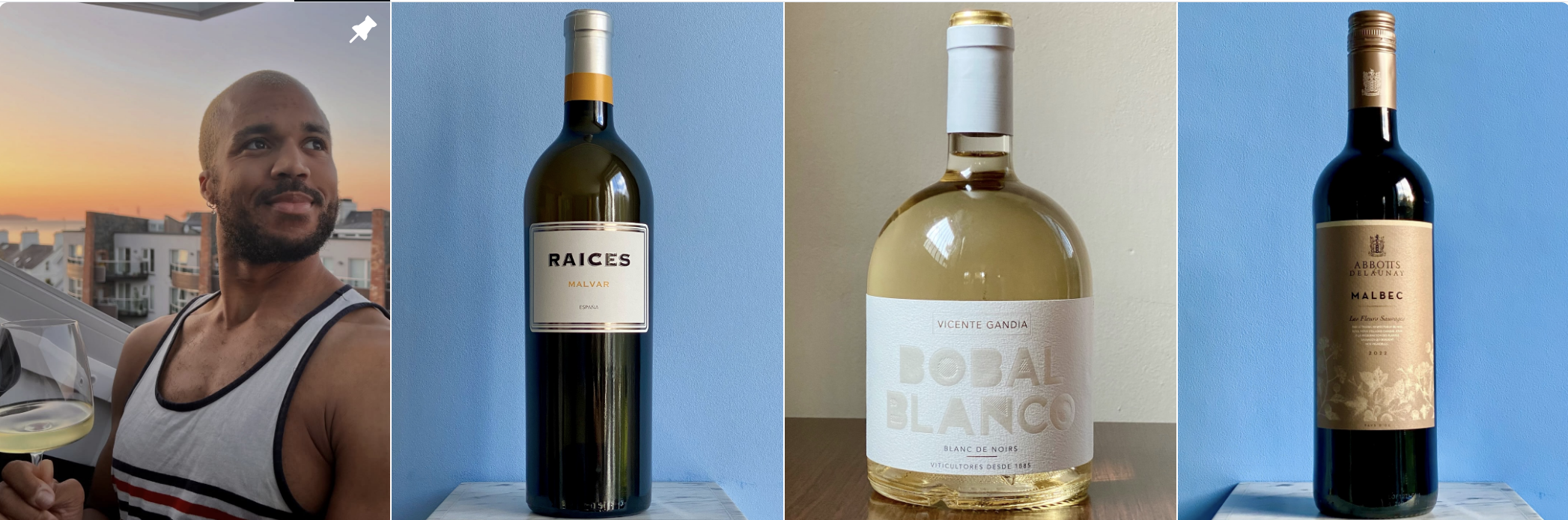
Perhaps I discovered you later in your wine journey, but I'm constantly amazed by the breadth of wines that you choose to write about. Have you always had a broad palate, or did you start with more traditional/classical grape varieties and wines?
I started quite classic because that’s what was easiest to find. In the beginning, when I was thinking about flavours and structure I enjoyed aromatic whites and fruity reds. I liked Zinfandel, the red kind, Primitivo and Shiraz, plus German Riesling and Vouvray. During one of the UK lockdowns I walked 1.5hrs to a well known wine merchant, whose manager introduced me to Viognier and Gewürztraminer.
A bottle of appassimento Fiano got me hooked on that concentrated style and winemaking process. I began trying appassimento wines of all kinds, and this obsession is what lead me to grapes I had never heard of before - a Chilean Carmenere, plenty of Italians (Grillo, Nero d’Avola, Negroamaro, the Veneto reds) and one very tasty Aussimento Shiraz that was familiar. From here I began to focus more on the more obscure grape varieties because I love learning and that’s kinda been my thing ever since.
We've been part of Alternative April - a brilliant celebration of less common grape varieties/winemaking and choosing unusual wines/regions/viniculture - started by the wonderful Carmel (@winelifeforme). What does 'alternative' wine mean to you?
Cheers to Carmel for having us on Alternative April this year - such a fantastic group of fun, warm, enthusiastic and knowledgeable people. Alternative wine is so many things to so many people and for me it’s a wine that you learn something from. Whether that be the grape variety itself or the region it came from. Perhaps a new winemaking method was mentioned when you read up on the wine or maybe it’s a style that's new to you - orange wine is having its well deserved moment.
I've always thought of the UK as being the hub for wine trade. Yes, England/Ireland/etc now make their own wine, but it's their long history of importing (supporting?) wine from all corners of the globe that has cemented the idea that they are the global hub for fine wine. Do you think this is still true? And...
Oooh…..Good question. I’ve not been properly wine hunting in any major wine country except Spain so it is difficult to compare what other experiences might be like. I have noticed that I don’t see nearly as many imports in Spain, however and unlike the UK, they have a long history of winemaking so I guess it's a case of:
“Let’s order takeaway”
“We got food at home”
Tasting my way around the world hasn’t been too challenging in the UK - our importers are doing an amazing job of bringing the world to us. Colonial history and the knowledge that came from that time could be major contributing factors.
Do you think the UK's history has developed an inherent 'better' understanding of wine from a global context?
[CoGW: E.g. SA has an incredible winemaking history...and then apartheid isolated us from engaging with and learning about the rest of the world...we then overcame this and rejoined the world...but were playing catch-up. My experience with WSET makes me ponder this - seeing what is available to UK students, experiencing a wine study programme that is clearly developed around English wine appreciation (a few raised eyebrows over quality assessments for the potential of autochthonous varieties based on historical English understanding/dispersions in regions who may now only be celebrating and understanding their native grapes....also, acceptance of different expressions of trad grapes.]
I think it could be easy to assume that the UK has an advanced experience of wine on a global scale. WSET, an internationally accepted education standard was founded in the UK and it writes about regions across the globe where it is accepted - folks wouldn’t accept it if they didn’t believe in it. The UK also had half the world as colonies, learning a lot in the process (and doing a bunch of damage but that’s another discussion).
Historically, the UK, has been good at taking the bits it wants (see: colonies) and not having a true dialogue with whom they are taking things from. Portions of the picture could be missing because the UK did like to plunder and preach without fully understanding the cultural impact of those actions.
There will be people in the UK who do have the depth and breadth of knowledge, plus a more complete dialogue with global partners - my beloved importers will be among these. However, who’s to say there aren’t higher percentages of these people elsewhere - in countries that have had stronger wine industries for far longer than the UK.
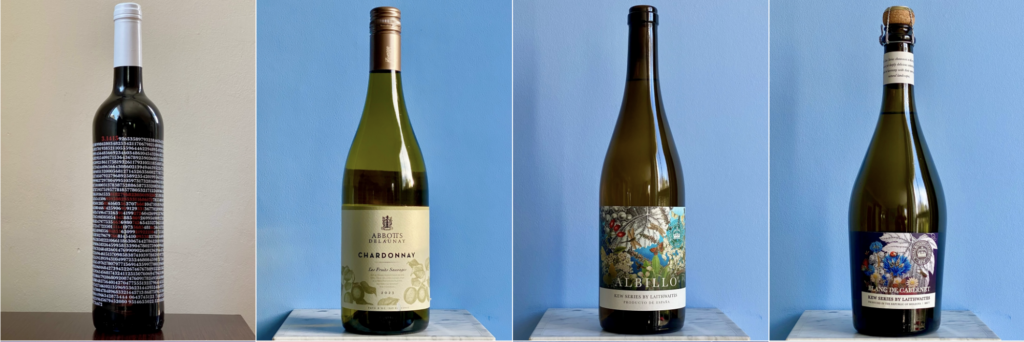
On the subject of 'alternative', how do you critically assess 'classic grapes' that show different expressions when grown in different regions of the world? Is it fair to assess them at the same level or with the same grape's expression in its traditional region?
[CoGW: E.g. a safe and fun example is what cru Beaujolais has done for Gamay, or ripe oaked SA Chenins...should Aussie Fiano and Italian varieties be assessed in the same way as Italian examples. A less fun example is whether anyone should take notice of obscure SA or Aussie Nebbiolo? Riesling from a warmer non-slate terroir?]
The answer to that is found in how we look at Pinot Gris and Pinot Grigio. One classic grape, two classic expressions that are used as a learning tool and example of how climate and farming affect end product wine. Shiraz vs Syrah is also a good example. As a wine community we should use the same systematic approaches to assess all 4 styles but realistically, I imagine Pinot Gris wines carry more prestige and generally score higher than Pinot Grigios. We can blame mass market Pinot Grigio for this as well as Pinot Gris’ greater potential for aging. Between Shiraz and Syrah, I think the snobbery around fruit forward wines would give Syrah the reputational edge over Shiraz.
Alternative winemaking...it's delightful and exciting and often delicious...but could a carbonic maceration Cabernet Sauvignon ever be judged on the same panel as classic old school Bordeaux? We accept classic Bordeaux interpretations from Napa, Western Aus, Chilean, Italian and SA ...but what about when the winemaking defies its lauded tradition?
I'd like to think that people would accept a Carbonic Maceration Cabernet Sauvignon for how it presented in the glass and not what they think a Cabernet Sauvignon should taste like because a lot of people like the idea of blind tasting. However, I don’t know if that would necessarily line up with the whole wine community. Some people will write off whole regions or grape varieties because they think they know it in its entirety or because it’s the cool thing to do and something like a Carbonic Maceration Cabernet Sauvignon could face stray hate from the Beaujolais snobs. The wine community has a lot of traditionalists and they hold a lot of influence - if they judge a Carbonic Maceration Cabernet Sauvignon like it's supposed to be Bordeaux adjacent, it will not be warmly accepted and that feeling/assessment could filter outwards.
What is your wine tasting process, given that your reviews may be published on a platform accessed by anyone? Talk me through your process of choosing a wine (do you consider IG when choosing wines? Do you take the pic before or after tasting the wine? Do you always jot down tasting notes...and, if so, do you write them for publishing, or do you tweak them for IG?
Photograph is always taken first, as I tend to buy a lot of singles within mixed cases. Also, I buy wines for me, not IG - if it’s an unfamiliar grape, it’s going in the cart. I do all my wine buying like this and every so often have to remind myself to pick up old favourites. Most times I’m tasting an unfamiliar variety I will take notes, but sometimes I just want to enjoy the moment - particularly if I’m out and about socially and can’t get a decent pic of the bottle. WSET systematic notes first, and then a few comments on overall vibe and texture (@TastingWineUK Sam and yourself inspired me to start making notes on texture). Not all my notes get compiled into a post - some bottles aren’t great quality (poor concentration or simply unpleasant). If I wouldn’t drink it again, it doesn’t get posted.
Caveat - Wine is such a diverse field and I know the flavour profiles that I prefer but sometimes one needs to get uncomfortable to learn. Some of my reviews are wines that I recognise as being well made but I probably wouldn’t buy them again, simply because they aren’t my preferred style. One might say that these are for The Gram but even when I don’t absolutely love a wine, I still learned from it and so I still count that as a purchase for me rather than content.
"...even when I don’t absolutely love a wine, I still learned from it..."
If you had to choose 3 wines that felt like the most alternative wines you've ever tasted, what would they be? What are your 3 most unusual wines.
A - This recommendation is a preview review - Villa Noria’s Amfora Orange wine. I’ve tasted this twice at a local watering hole in Belfast and it has changed my opinion on orange wine. I’ve enjoyed orange styles before but never been smitten until now. I’ll be ordering a bottle, or maybe a case soon and it is certainly going to be on my page. Crafted from a blend of aromatic varieties - Piquepoul, Muscat, Pinot Gris, Sauvignon Gris and Clairette - it is the colour of Cognac and is simply fantastic. Savoury, spicy, floral, textured and bone dry. It just might be my wine of the year.
B - Has to be the Gedeelte Wines Barbarossa that wasn’t Barbarossa. It is made with a rare grape, Danugue Noir, that is used as a table grape in its home country and due to “red tape” the producer knows it isn't Barbarossa but can't label it accurately. The research for this post took much longer than most as I wrote a whole post on Italian Barbarossa, only to find an article that led me to read several published research papers that discussed vine DNA. The wine itself was delicious - spiced mixed fruit and cashmere texture - I do wonder why it’s not used more widely.
C - VIK's flagship wine - VIK 2019. This wine is innovatively alternative. At first glance, it’s a premium Bordeaux-inspired blend but there is so much more to it. Firstly it is fermented with yeasts found in flowers growing on the winery's property - Chief Winemaker Christian Vallejo calls this Fleuroir. They also have their own cooperage where they build barrels from timber grown on the property - Barroir. This holistic approach to winemaking is admirable on so many levels - ecological upsides, boosts to local economies and while it feels new now it harks back to early civilisation, when anyone making anything used only local materials. I admire the ethos of this producer and my goodness the wine is spectacularly yummy.
 Villa Noria Amfora Orange Wine
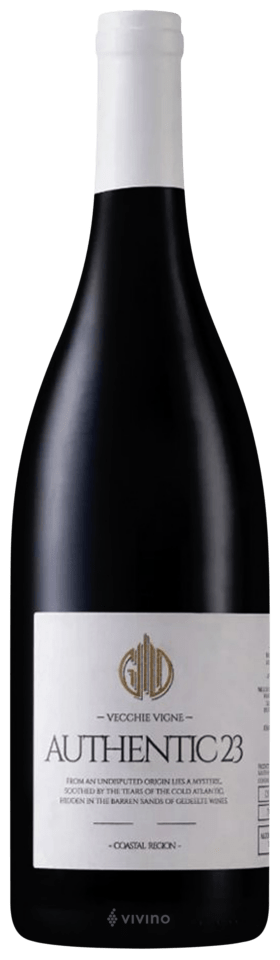 Gedeelte Wines Barbarossa
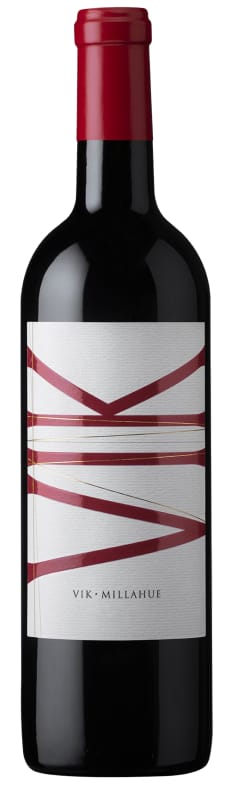 VIK 2019
Which 'alternative' wine do you think is underrated by the wine world and should be celebrated?
There are so many answers to this - how can I pick just one? I think my response will have to be the first wine that made me think “this would be so popular if more people knew about it”
Arneis from Piedmont - every time I’ve tasted this varietal it’s been deliciously fresh, with balanced fruit and lovely concentration. I genuinely believe it could be as popular as Pinot Grigio or Sauvignon Blanc given the right exposure.
Is there an 'alternative' wine that you still covet and would love to get your hands on?
Oh my gosh, YES. In all my reading I have come across countless varieties that I would love to taste - a few of these are to complete my grape alphabet, others are part of an investigation into the growing possibilities of cool climate reds.
- Quagliano - a Piedmontese lighter red variety.
- Yapincak - an aromatic white grape from Turkey.
- Cabaret Noir and Cabernet Jura - red PIWIs created by Valentin Blatter for cool climates.
- Aleatico - an aromatic red - I adore everything I’ve read about this grape. Rose, lychee and berry aromas from a medium bodied red - what’s not to like? As a wine-lover that leans towards reds, this could be my “Spring in a glass."
Given the economy and that wine is very much a luxury - there may be a desire/need to stick to safe/known options that are guaranteed to satisfy one's needs - what advice would you give a wine drinker about how one starts exploring and breaking away from one's comfort zones?
For anyone wanting to discover new styles and varieties it can be a challenge to find wines that guarantee enjoyment - something we all strive for anytime, but particularly so in the current economic climate. No one wants to waste money. My advice would be to speak to the professionals - talk to the people that work in and run independent wine shops. One of my favourite early experiences was chatting to the manager who introduced me to Viognier and Gewürztraminer - I told her what I knew I liked and every single bottle she suggested was stunning.
What are your feelings about wine and its future? In terms of the wine industry's fear of reduced alcohol consumption, wine's position within the alcohol category, and its 'reverence' (something I think is its greatest asset and greatest detriment).
Having been around for at least 8000 years - wine is not going anywhere. Consumption may be falling right now but that could be a temporary trend - we can’t possibly know at this point. Wine has enough social, cultural and historical importance to ensure that it remains part of our lives for a long time to come. What we can say for certain is that wine’s position within the drinks industry will shift we just don’t know the degree yet.
Having been around for at least 8000 years - wine is not going anywhere.
Non alcoholic wine - is this an alternative wine, or should it rebrand itself as an 'alternative to wine'?
To me non-alcoholic wine feels more like an alternative to wine than an alternative wine. Personally, if I don’t want to consume alcohol, I will simply choose water or some other type of beverage - when drinking wine I want the whole experience. To others who don’t like the feeling of being left out or different, classifying non-alcoholic wine as an alternative wine probably does work better. I think my standpoint comes from experiencing difference and learning to be comfortable with it. As a gay mixed race man, who first grew up in Ireland, then Ghana and now lives in the UK, I’ve felt different all my life and I’ve learned to be okay with that.
Many thanks to the wonderful Jonathan for taking the time to field my questions and satisfy my curiosity. He is active on Instagram so do follow him - EverSoGrapeful on Insta.
Connect with Ever So Grapeful
eversograpeful on Instagram + his wine writing portfolio here: Ever So Grapeful published wine writing
![Neil Ellis The Left Bank 2021 [gifted]
49% Cabernet Sauvignon, 36% Merlot, and a dash of Cabernet Franc and Malbec exude the most beautifully dense colour, enticingly rich with aromas of blackberries and cassis, damson plums, pencil shavings and dry cedar, star anise, and a touch of menthol eucalyptus.
Fuller bodied with moreish acidity and big ripe velvety tannins. Spiced red plums, raspberries and earthy pomegranate accompany the concentration of damson plums and spices; lingering for a generous lengthy finish.
Many thanks to the @neilelliswines team for this well timed quintessentially Bordeaux style red blend that was much appreciated on a chilly evening. And huge congratulations on your brilliant 97 point score at the 2026 Investec Trophy Wine Show!](http://capeofgoodwine.com/wp-content/plugins/instagram-feed/img/placeholder.png)